
Bringing Purpose Back to Prevention
I want to share something that I believe is quite unique, and I hope it can bring purpose back to prevention: a deep dive into one of the most common safety tools we use today.
At first glance, it may seem like a subtle shift in language, but it carries deep cultural meaning. I truly believe it can transform the way leaders understand and apply safety within their organizations.
In English, we use the word “safety” to describe many different concepts: psychological safety, physical safety, data safety, equipment safety, and more. However, some cultures express these ideas differently through their language. In Japanese, for example, people do not rely on a single word to convey every meaning of safety. Instead, they use different words for different safety contexts, giving each one a more intentional and precise meaning.
Compliant but Disconnected
Twenty years ago, I started my safety career in the construction industry in a fast-paced environment. I typically spent about two years on each project, while auditors regularly visited sites and we built robust safety management systems.
Back then, we relied heavily on documentation to demonstrate due diligence, consistency, and follow-through—using meeting minutes, checklists, sign-in sheets, and other records to show that we were taking action.
I don’t claim that documentation alone created incident-free workplaces, but at the time, many Project Managers believed that if we did something, we needed paperwork to prove it.
Today, workplace safety cannot rely on documentation alone; organizations move beyond box-ticking toward deeper, meaningful engagement and culture.
The International Organization for Standardization (ISO) has reflected this shift by reducing required documented procedures in newer standards, acknowledging that template-driven systems alone cannot meet expectations nor deliver meaningful results.
From compliance-driven observation to human-centered understanding
Something I have learnt about the word and overall concept of “Safety”, is that this word “safety” is intrinsicaly connected and rooted to the culture of each country with different colors and subtleties that perhaps provide a deeper meaning and conection.
One example of this, is given by the Japanese culture. I don’t know if this is similar in all Asian cultures but since I am only aware of this subtlety in the Japanese language I will stick to it for this post.
What I found out is that in Japanese there isn’t one single word for “safety” as we use in USA. I know at least 3 words that convey the meaning that we give using the word safety and all of them to be apply under different circunstances and context.
This matters because poorly adopting other cultural systems like Gemba walks without cultural context weakens engagement, meaning, and safety outcomes.
Here is how the word Safety gets translated through 3 different words in Japanese culture:
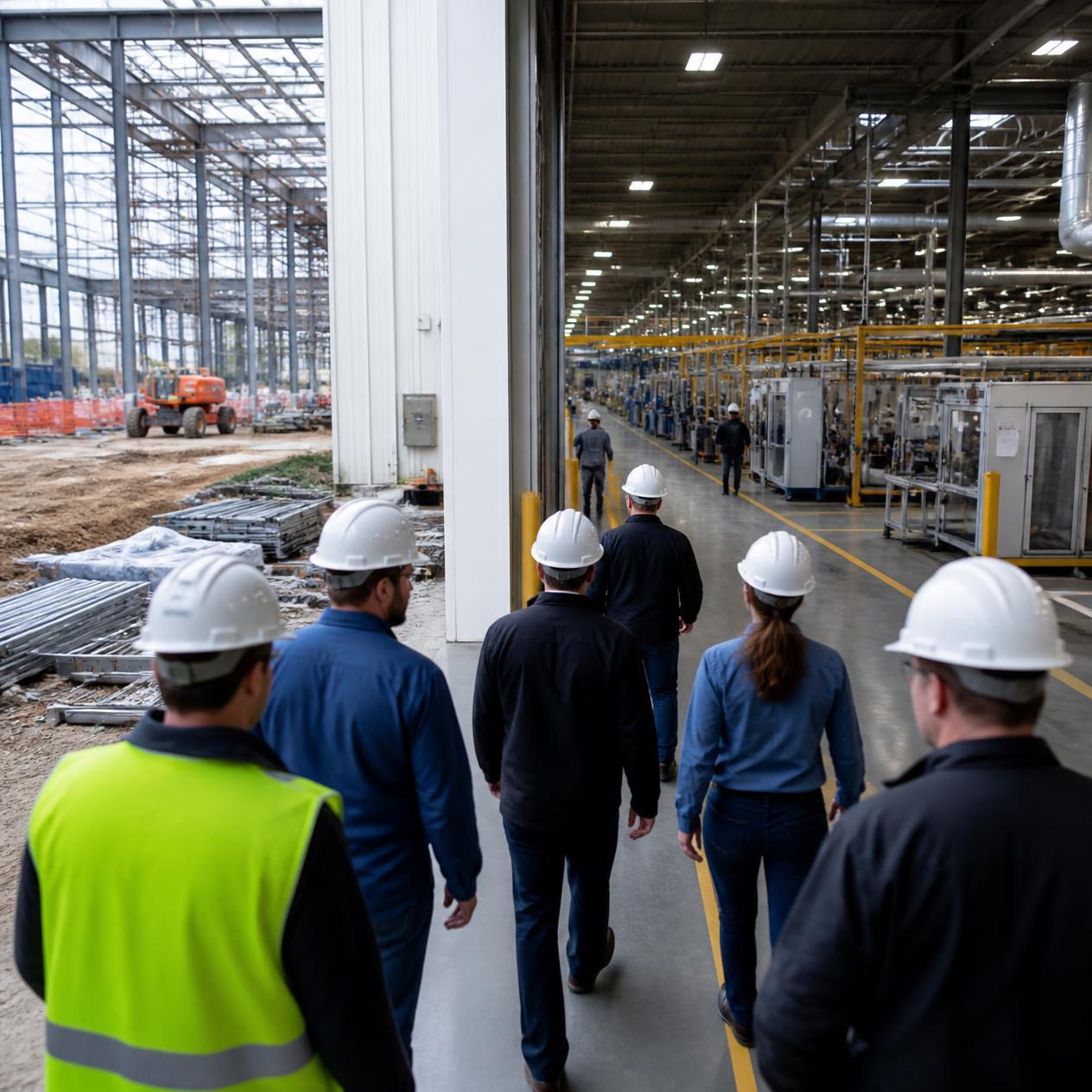
This bring us to a common misconception of the safety tool “Gemba” or “Gemba walks”. Gemba does not means “safety”, it means something different, but deeply realted to safety, it means “𝗧𝗛𝗘 𝗥𝗘𝗔𝗟 𝗣𝗟𝗔𝗖𝗘”, the actual spot where value is created, where work happens, and where context shapes everything.
Gemba walks
A true Safety Gemba Walk isn’t just about finding hazards or enforcing rules. IT IS ABOUT LEADERS STEPPING INTO THE WORLD OF THEIR TEAMS, seeing work as it’s really done, connecting and understanding the context behind behaviors and decisions and you and I know that this is real organizational gold.
I would like to get back to unfold the word “Safety” in the three japanese words (anzen, anshin and buji) , in Western logic, if something is proven 100% safe, a person should naturally feel safe but Japanese philosophy explicitly rejects this assumption, recognizing that OBJECTIVE SAFETY DOES NOT AUTOMATICALLY EQUAL EMOTIONAL PEACE, which in turn means that we should not assume a work place as “safe” without considering anzen, anshin and buji, without taking into account the workers emotional and mental state.
I think this carries a very loaded intent for our Gemba walks, and so forth we should do at any Safety Walk. Next time you see everything “safe” it might be your cue to reframes leadership from compliance-driven observation to human-centered understanding..
Here is how you can bring back to life your Gemba walks
Ask yourself the following to connect with the real intent of a Gemba walk and unfold the power of your leadership safety walks by connecting to the “real place”.
- Does the worker feel safe?
- Do they feel heard?
- Do they feel comfortable speaking up?.
- What conversation still needs to happen at the real place?

If you want to advance your career, then book your Growth Strategy Call now.